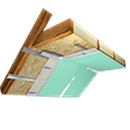
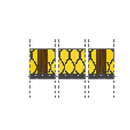
Attic lining

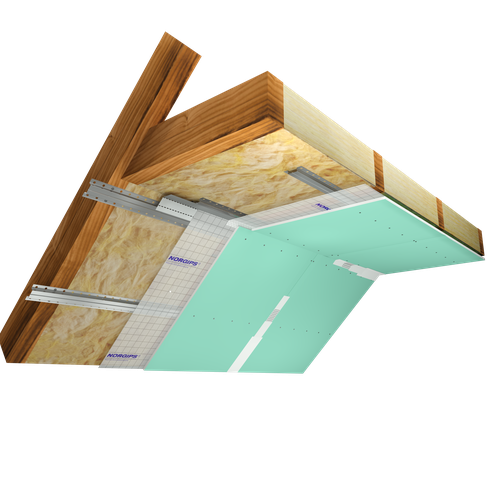
ZP - 1x12,5 GKBI H2/KAP 0,50, W

on top hat profile structure 0.5 mm with single sheathing of GKBI type H2 with a thickness of 12.5 mm
ZP - 1x12,5 GKBI H2/KAP 0,50, W

Technical data

Lining weight
Lining weight
10 kg/m2 1) 

The above-mentioned parameters apply to a partition made of sheet metal profiles with a thickness of 0.5 mm.

Standard

smart smart

Provides a lightweight stable body with proven performance. The solution guarantees quality at an attractive price.

smart

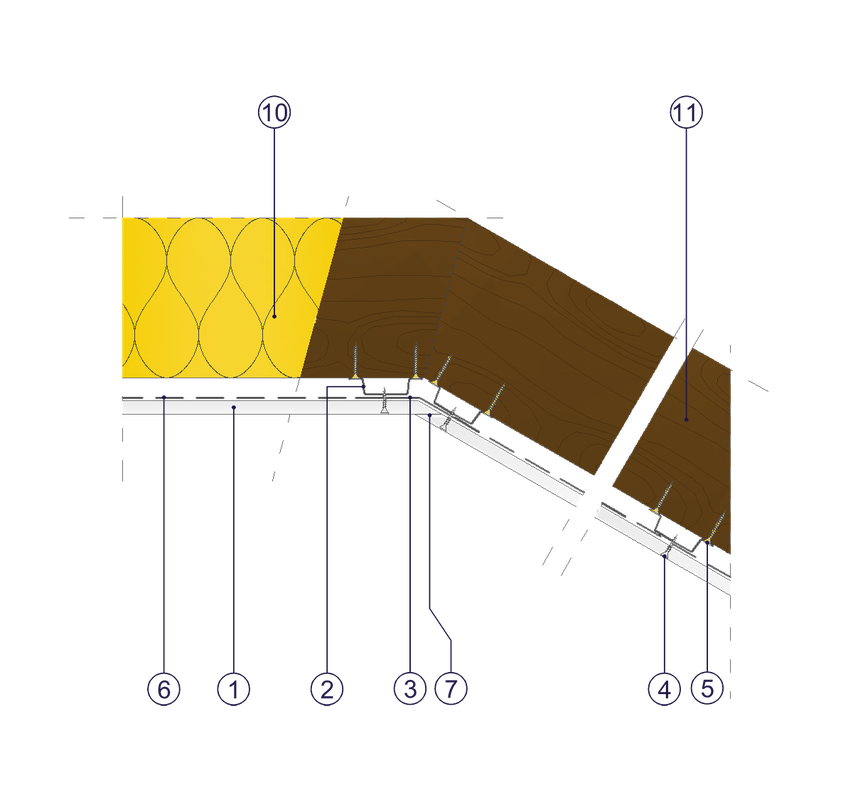
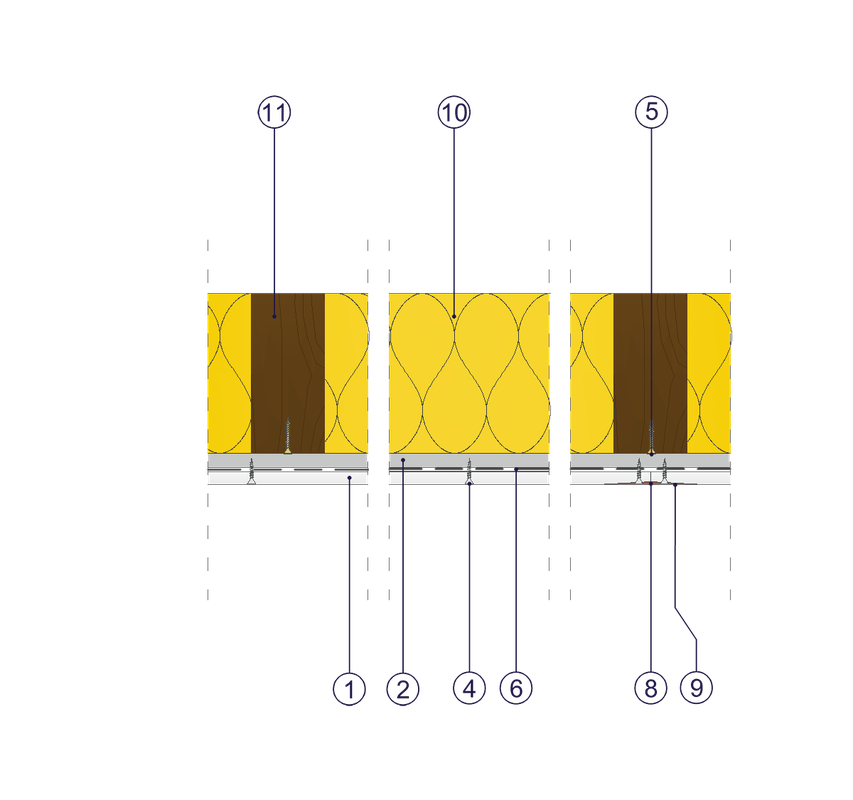
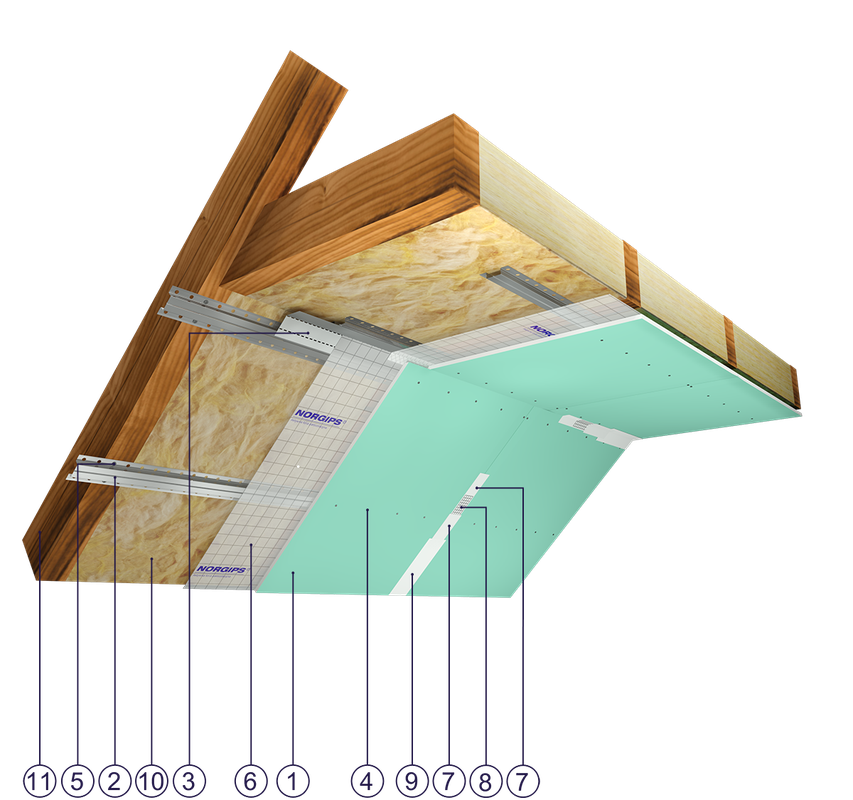
Attic lining elements

1
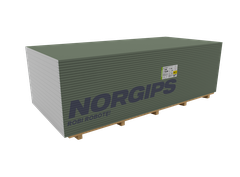
Norgips S GKBI type H2 gypsum plasterboard , thickness: 12.5 mm
2
Norgips top hat profiles, max. axial spacing every 40 cm
3
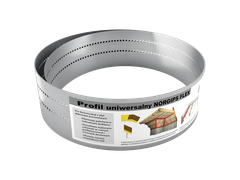
Norgips FLEX universal profile
4
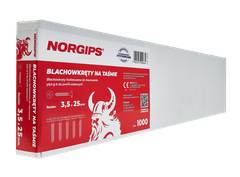
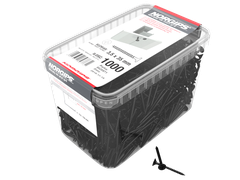
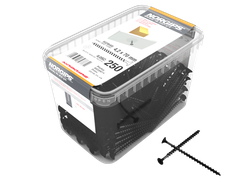
Norgips 3.5 x 25 mm sheet metal screws, max. spacing every 17 cm
5
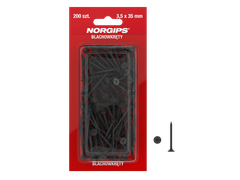
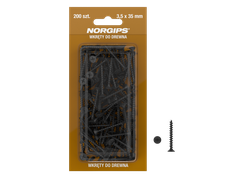
Norgips 3.5 x 35 mm wood screws
6
Vapour barrier membrane
7
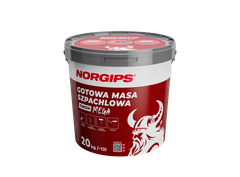
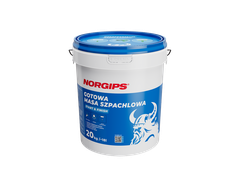
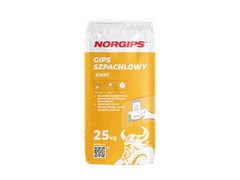
Norgips Start & Finish ready-made joint compound or Norgips Start gypsum joint compound
8
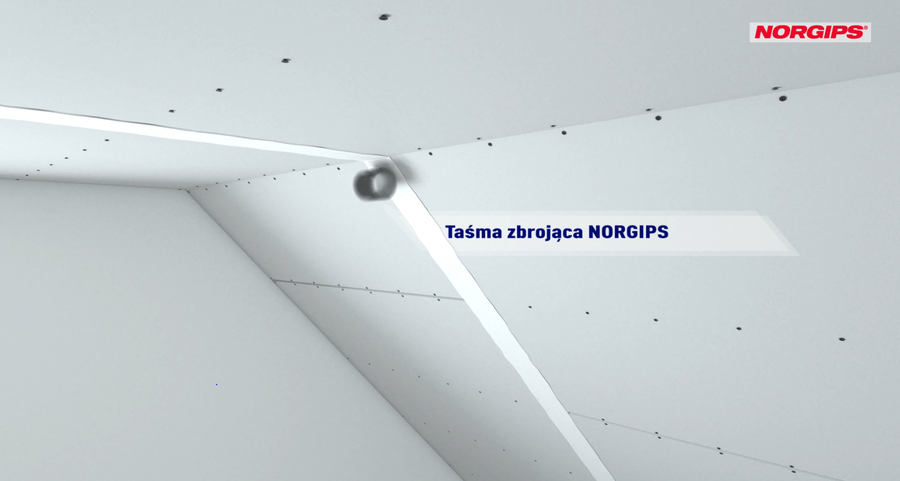
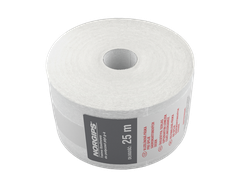
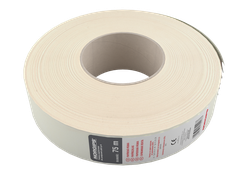
Norgips reinforcing tape
9
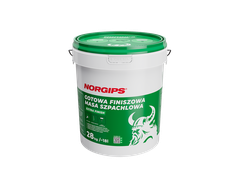
Ready-made joint compound Norgips Extra Finish, ready-made joint compound Norgips Start & Finish, gypsum joint compound Norgips Finish
10
Mineral wool
11
Roof rafters
Download To file
System datasheet ZP - 1x12,5 GKBI H2/KAP 0,50, W
1)
The weight specified does not include the insulation material weight.
Lining surface area m2
Swpie
Material
Unit
Consumption per 1 m2
Consumption
on {total} m2
Price
per unit*
Value

Value of materials per 1 m2 of attic lining

:
{get_calculation_per_meter} PLN

Value of materials per 1 m2 of attic lining

: {get_calculation_per_meter} PLN

Total value of materials for the attic lining surface area

:
{get_total_calculation} PLN

Total value of materials for the attic lining surface area

: {get_total_calculation} PLN

The above material consumption standards are just estimates and do not include waste resulting from material installation. The calculation does not constitute a commercial offer within the meaning of Article 66 § 1 of the Civil Code.

* In order to calculate the wall construction cost, enter material unit prices.

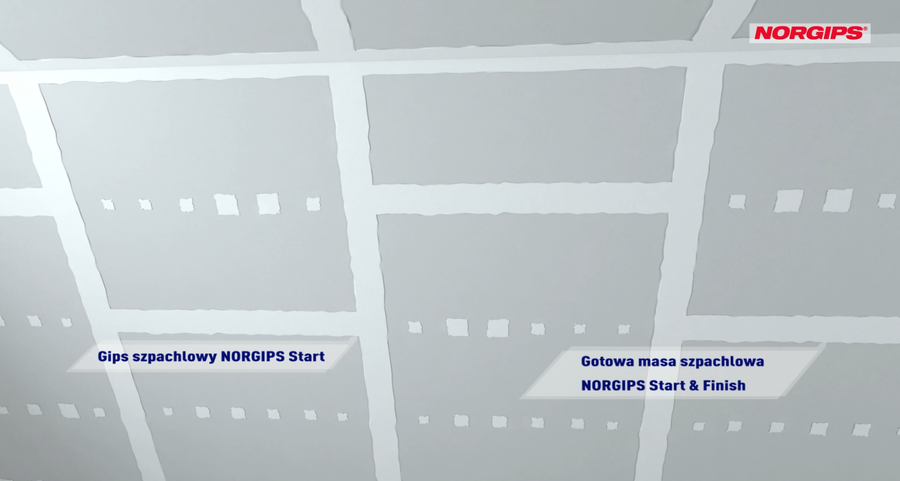
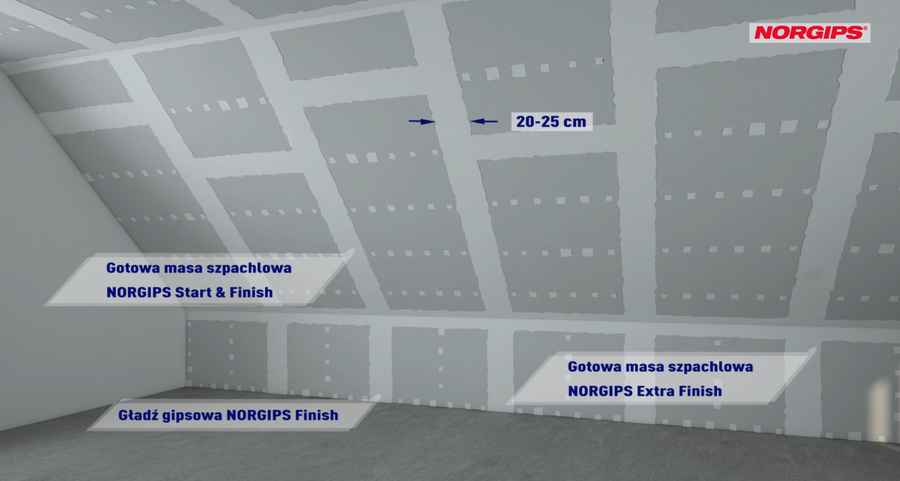
Q1 - Double filling of plasterboard joints and connections with a structural joint filler (Norgips Start & Finish or Norgips Star), sealing a reinforcing tape, covering visible fasteners with a joint filler

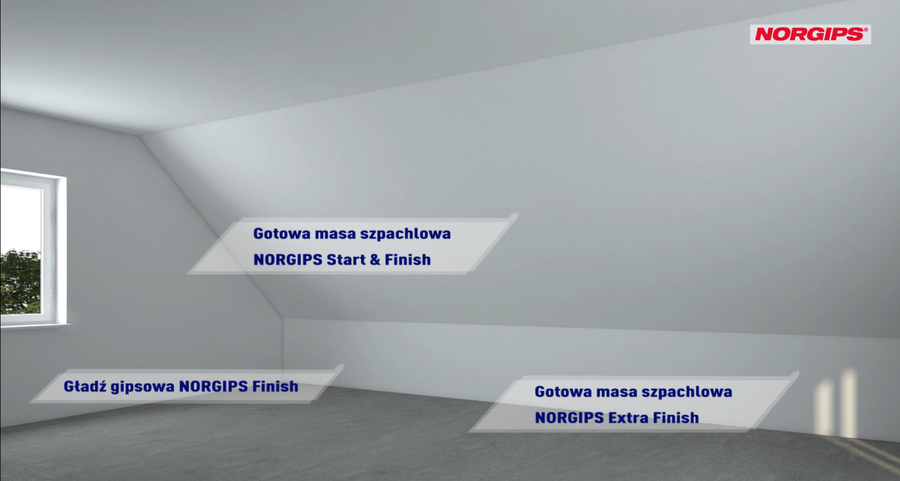
Q2 - Includes the Q1 scope plus filling plasterboard joints with a finish joint filler (Norgips Extra Finish, Norgips Start & Finish or Norgips Finish) until a smooth transition of a joint into a plasterboard surface is achieved

Q3 - Includes the Q2 scope plus filling the entire partition element (joints and cardboard) with an approx. 1 mm thick layer of finish joint filler (Norgips Extra Finish, Norgips Start & Finish or Norgips Finish) to level the surface, close all pores and consolidate absorptivity of filled surfaces

Project information:
Additional comments:
Save the prepared calculation:
PDF calculator ZP - 1x12,5 GKBI H2/KAP 0,50, W
XLS calculator ZP - 1x12,5 GKBI H2/KAP 0,50, W

Download To file
Declaration of Performance Declaration of Performance No. GKBI 12,5/N/2025/1 date: 7 Nov 2025 – H2 12,5 - EN 520

Download To file
Technical sheet KT - Sheet metal screws consumer packed
Download To file
Technical sheet KT - Wood screws
Download To file
Technical sheet KT - Wood screws, consumer packed
Download To file
Technical sheet KT - Paper tape 50 mm
Download To file
Technical sheet KT - NORGIPS Extra Finish
Download To file
Technical sheet KT - All-purpose FLEX profile
Download To file
Technical sheet KT - NORGIPS Finish MEGA
Download To file
Technical sheet KT - Sheet metal screws
Download To file
Technical sheet KT - Fleece tape 50 mm
Download To file
Technical sheet KT - NORGIPS Start & Finish
Download To file
Technical sheet KT - Sheet metal screws on a strip 3,5 x 25 mm - EN
Download To file
Technical sheet KT - NORGIPS Finish
Download To file
Technical sheet KT - NORGIPS Start
Download To file
Technical sheet KT - NORGIPS S GKBI 12.5 mm type H2

Download To file
Catalogues and leaflets NORGIPS solutions - Attic partitioning

Download To file
Environmental Product Declaratio… EPD (Riga - LV) - Norgips GKBI 12.5mm
NORGIPS attic partitioning system on CD60 profiles and hangers (type ES / flat- type L), with a single-layer plasterboard cladding
NORGIPS Tips - How to properly perform NORGIPS attic partitioning system
NORGIPS tips: Making a knee wall using NORGIPS FLEX universal profile
NORGIPS Tips: Roof hatch in the attic - finishing and detailing
NORGIPS Tips: Fire-resistant covering of attic wooden construction
NORGIPS Tips: Roof window installation and detailing

Installation process stages

Steps in the installation of attic lining on CD 60 profiles and ES type hangers or L type flat hangers with single-layer cladding.
(determination of lining elements including assembly of hangers)

1 1

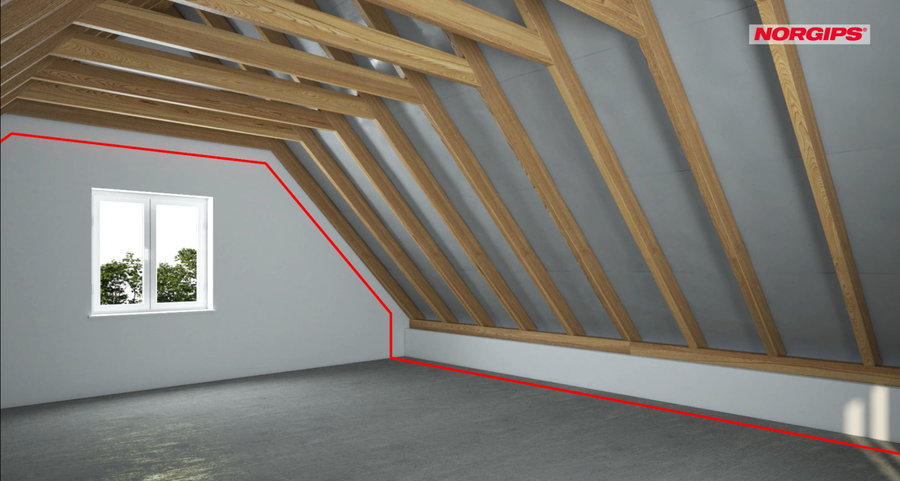
Determining the attic lining line

The first activity is to determine the attic lining line. A laser level can be used for this purpose. We mark the position of the cladding on the gable and knee walls.

Determining the attic lining line
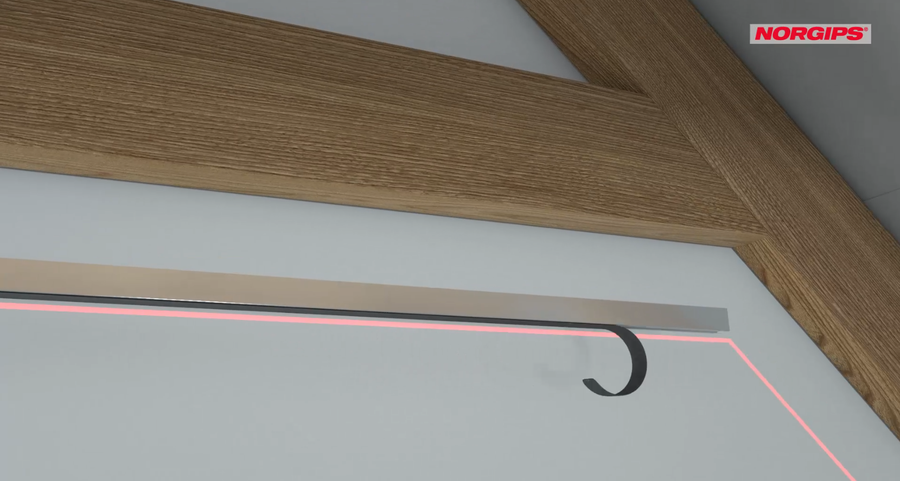
Sticking insulation tape under UD 30 profiles

Stick insulation tape under the UD 30 profiles – it will significantly improve the acoustic insulation of the plasterboard cladding.

Sticking insulation tape under UD 30 profiles
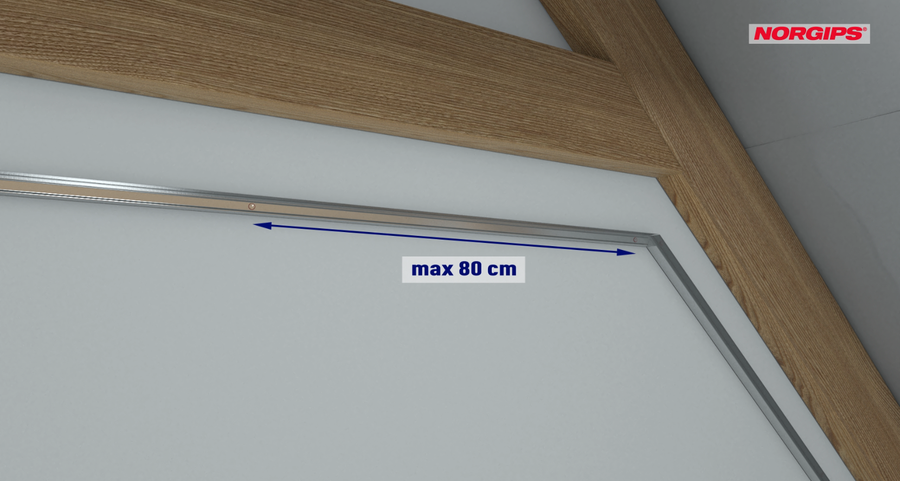
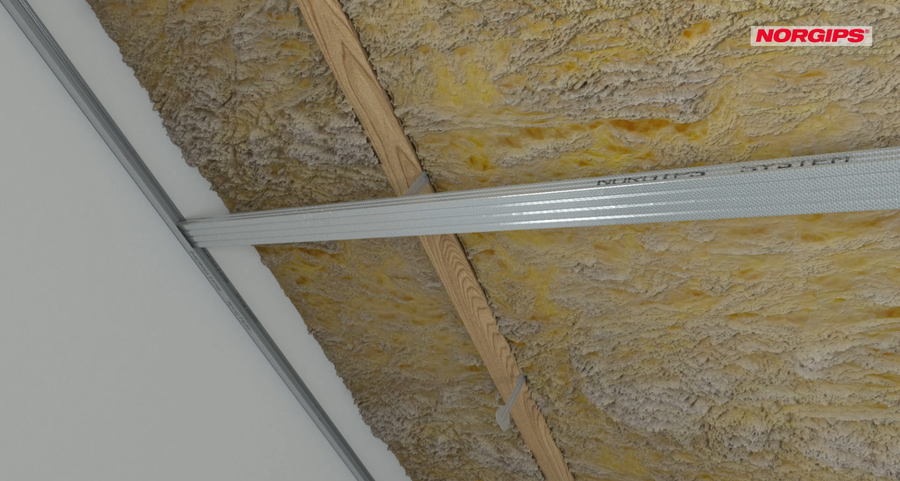
Installation of UD 30 profiles

Apply the profiles in a designated place and fasten them to the walls with expansion pins or screws every 80 cm.

Installation of UD 30 profiles
Determining the installation location of ES type or flat L type hangers – installation of plasterboards parallel to rafters.

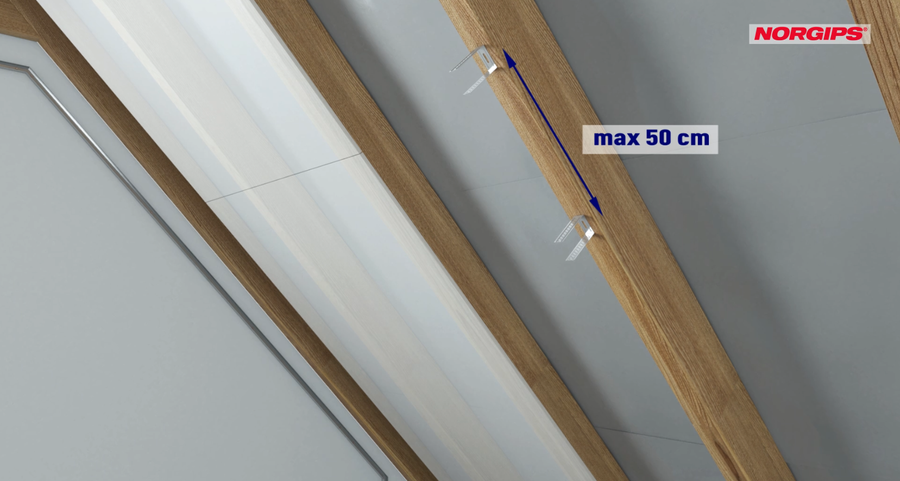
Next, set the installation location of ES type or flat L type hangers on the rafters and hooks. The maximum spacing between the hangers must not exceed 50 cm if we intend to install the plasterboards perpendicularly to the lining structure made of CD 60 profiles.

Determining the installation location of ES type or flat L type hangers – installation of plasterboards parallel to rafters.
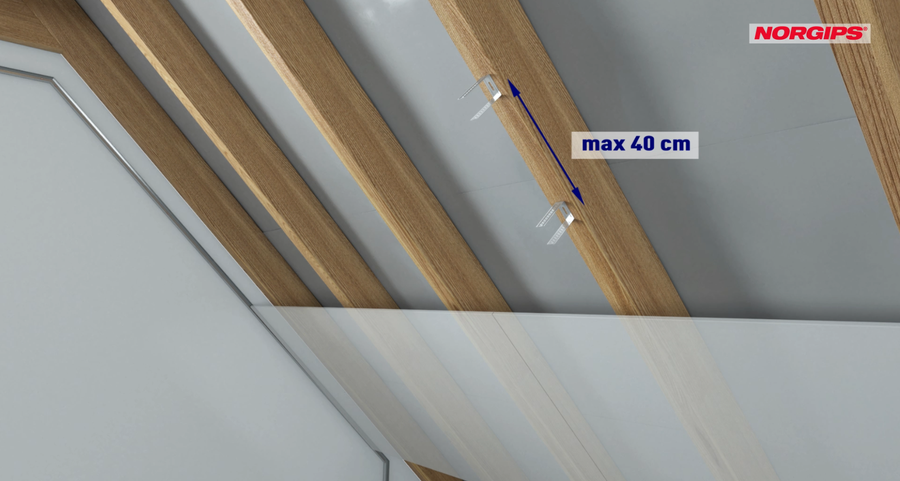
Determining the installation location of ES type or flat L type hangers – installation of plasterboards in a system perpendicular to the rafters

When installing plasterboards in the parallel direction, this distance must not exceed 40 cm. 

Determining the installation location of ES type or flat L type hangers – installation of plasterboards in a system perpendicular to the rafters
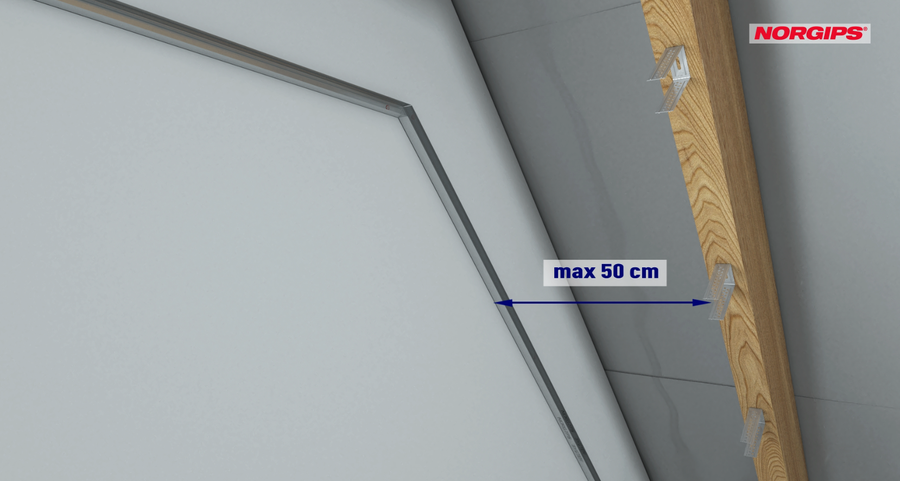
Determining the installation location of outer ES type or flat L type hangers

The outer hangers can be located from the wall by a maximum of 50 cm.

Determining the installation location of outer ES type or flat L type hangers
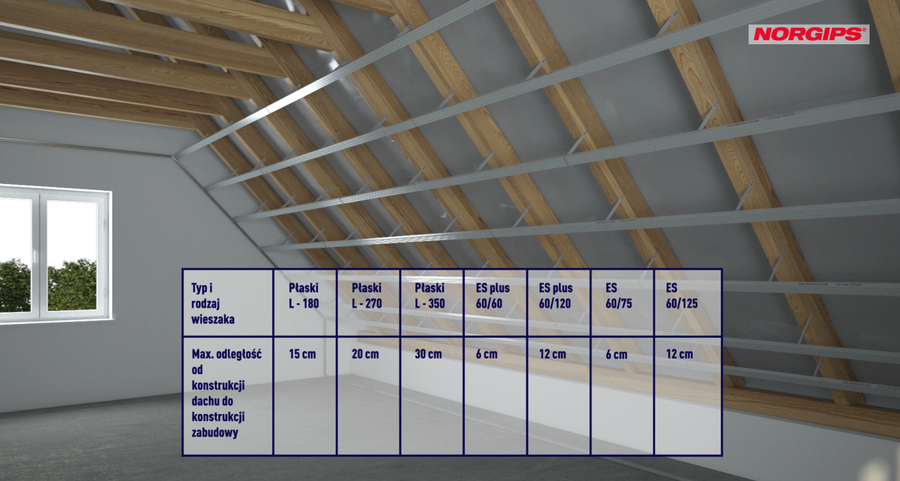
Rules for selecting hangers

The type and kind of hanger used is selected depending on the height by which the attic lining structure is to be lowered in relation to the roof structure.

The table shows the maximum distances at which the lining structure can be removed from the roof structure using particular hangers.

Type and type of hanger

Flat
L - 180

Flat
L - 270

Flat
L - 350

ES plus 60/60

ES plus 60/120

ES 60/75

ES 60/125

Max. Distance from roof structure to building structure

15 cm

20 cm

30 cm

6 cm

120 cm

6 cm

12 cm

Rules for selecting hangers
Installation of ES or ES plus hangers

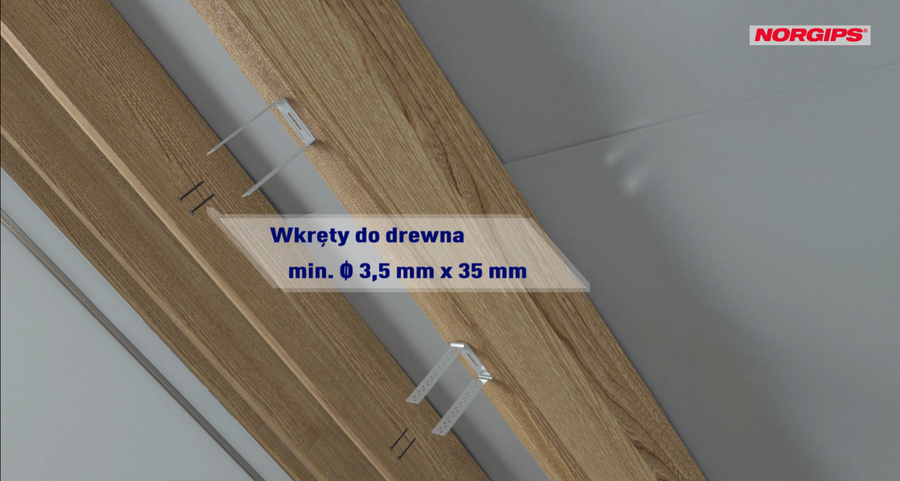
At designated locations, screw ES hangers or ES Plus hangers to the rafters face with two wood screws min. ɸ 3.5 mm x 35 mm. The length of the hanger arms ranges from 60 mm to 125 mm.

Installation of ES or ES plus hangers
Installation of L type hangers (mushroom)

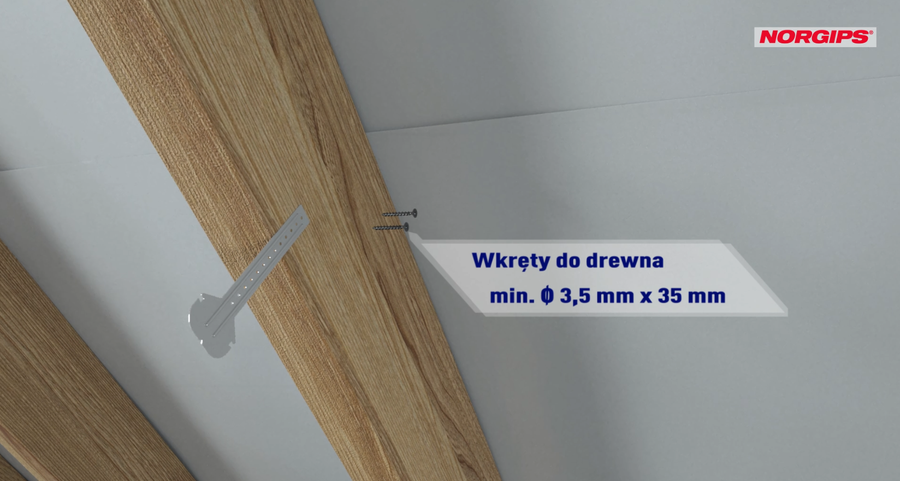
In the case of L type flat hangers, also called "mushroom" screw them in the designated places to the side of the rafters with two wood screws, min. ɸ 3.5 mm x 35 mm. These hangers must be screwed precisely in accordance with the etched lining plane. Using L-350 flat hangers, we can lower the structure to 30 cm and fill it with an additional layer of insulation material.

Installation of L type hangers (mushroom)
Laying mineral wool

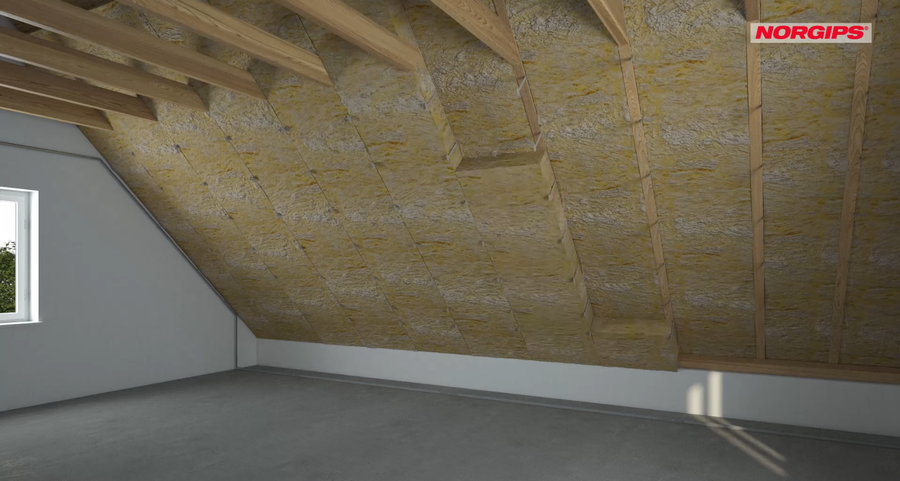
We lay thermal insulation between elements of the roof structure and in the space between the roof structure and the future lining structure. The layering of thermal insulation increases the thermal insulation of the roof and significantly reduces heat loss through thermal bridges formed on the rafters and other elements of the wooden structure.

Laying mineral wool
Installation of CD 60 profiles to ES type hangers

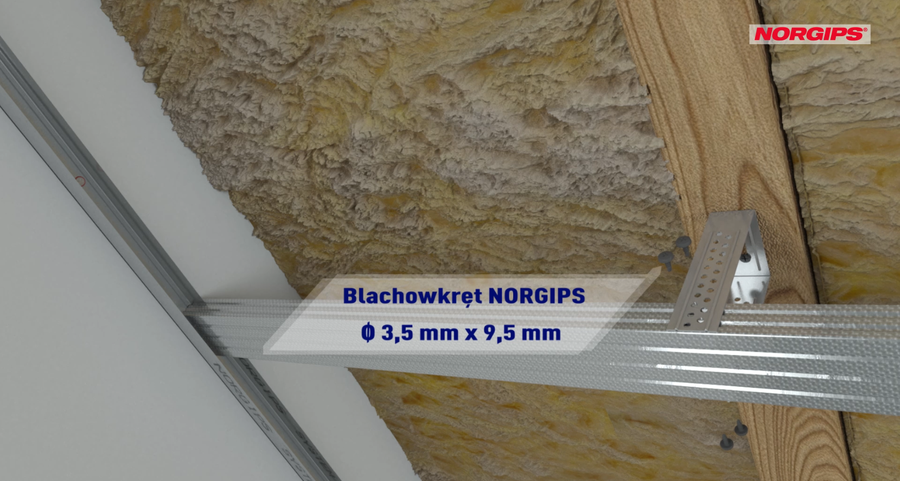
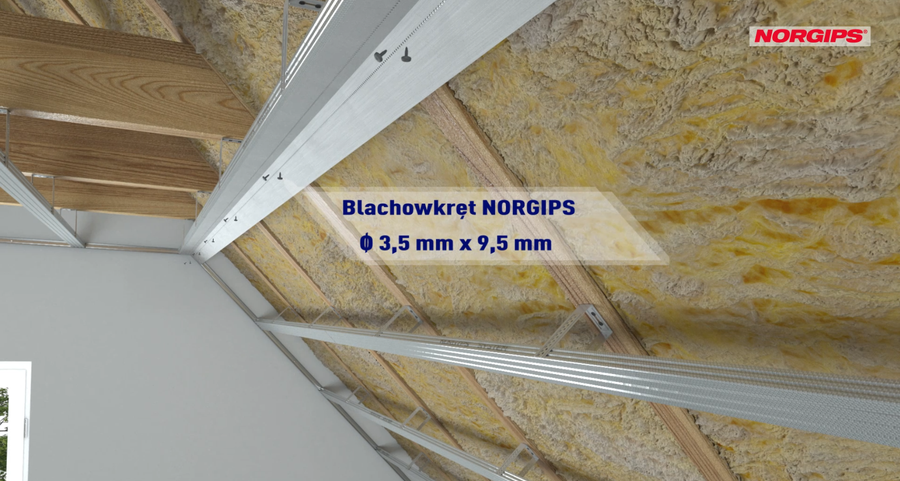
The lining structure is made of CD 60 profiles. When using ES hangers, insert CD 60 profiles between the hanger arms and insert them into UD 30 profiles.

After levelling the profiles, connect them with the hanger arms using sheet metal screws with a self-tapping tip ɸ 3.5 mm x 9.5 mm. Screw 2 pcs. on each side of the connection. In our lining, the plasterboards will be screwed perpendicular to the profiles, which is why the distance between the CD 60 profiles will not exceed 50 cm.

Installation of CD 60 profiles to ES type hangers
Installation of CD 60 profiles for L-type hangers

When using L type flat hangers called "mushrooms", plug the profiles into levelled hangers and insert them into UD 30 profiles.

Installation of CD 60 profiles for L-type hangers
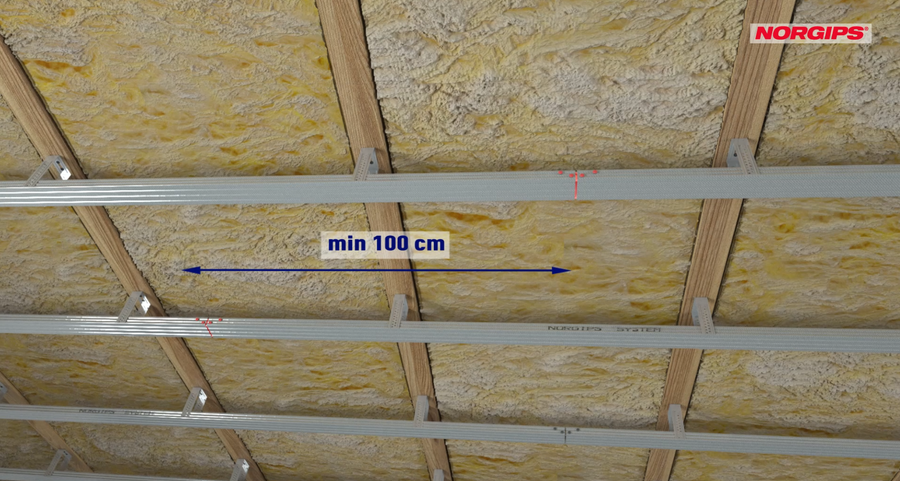
Extending CD 60 profiles

CD 60 profiles can be extended using longitudinal connectors. The longitudinal connector should be inserted into the ends of the profiles to be connected and secured with ɸ 3.5 mm x 9.5 mm self-piercing sheet metal screws. Screw 2 pcs. on each side of the connected profiles. If profiles in adjacent rows are extended, the places where they are connected must be shifted relative to each other by min. 100 cm screws.

Extending CD 60 profiles
Flex profile installation

At the point of contact of the lining slanted plane with the horizontal plane, the outer profiles are placed side by side. In this place, we install the Flex flexible profile, which stiffens this connection so as to avoid cracks at the contact of these planes. The profile is screwed together using sheet metal screws with a self-tapping tip ɸ 3.5 mm x 9.5 mm and then unscrewed when the board is installed.

Flex profile installation
Installation of vapour barrier membrane

After levelling the structure, apply vapour barrier by sticking the membrane to the profiles using double-sided adhesive tape. Seal the membrane joints with suitable tapes.

Installation of vapour barrier membrane
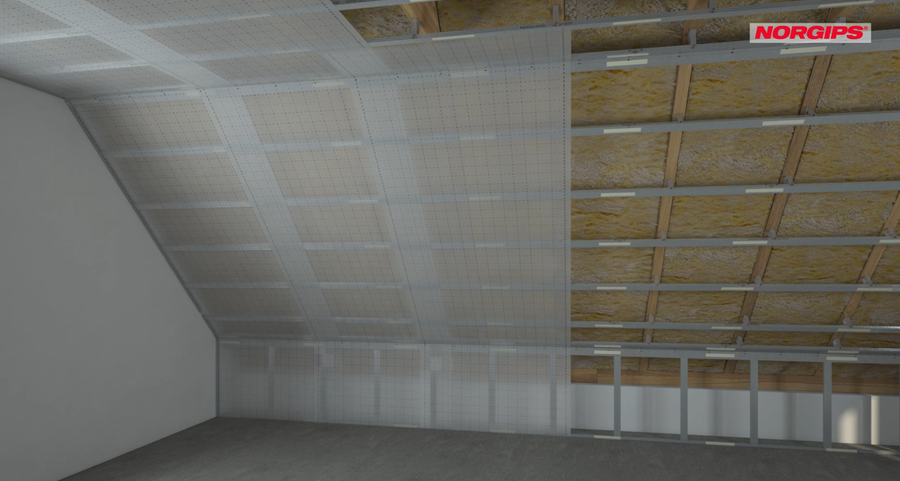
Installation of plasterboards – arrangement of boards

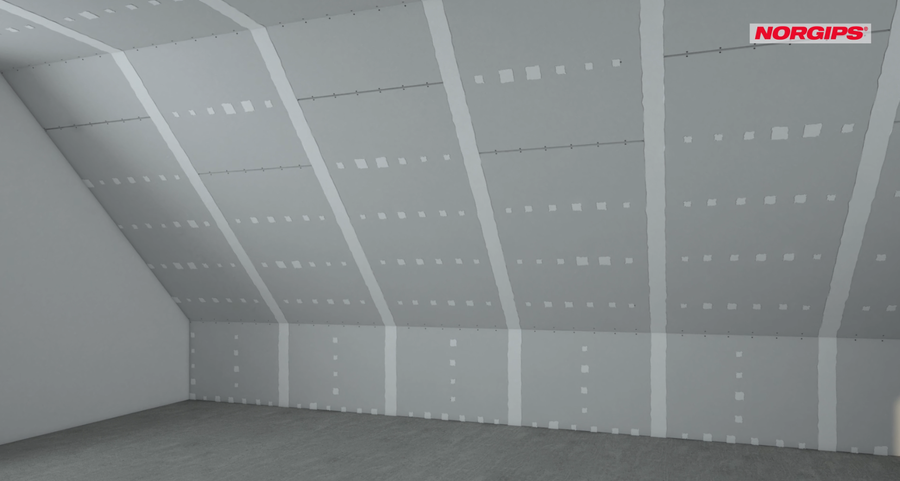
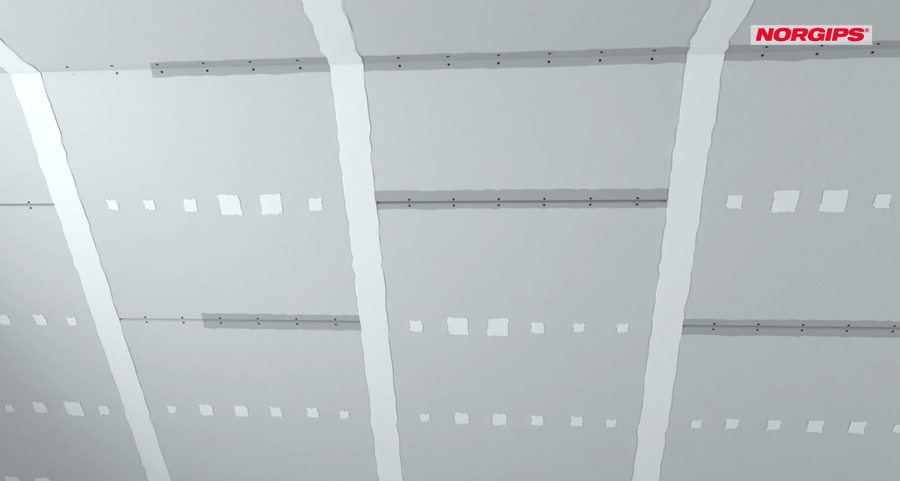
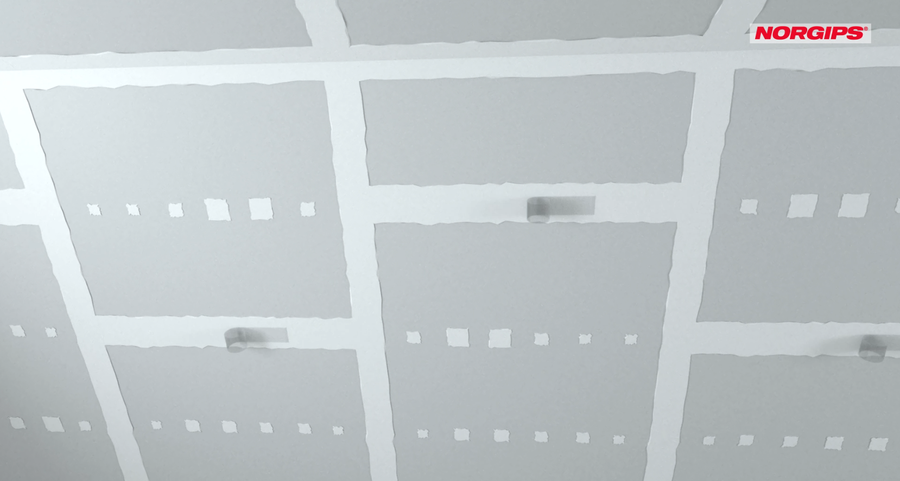
We cut plasterboards to the appropriate size. The minimum thickness of plasterboards mounted on the attic is 12.5 mm. Screw the plasterboards perpendicular to the profiles in such a way that their shorter edges rest on the profiles. Screw them only to CD 60 profiles and Flex profiles.

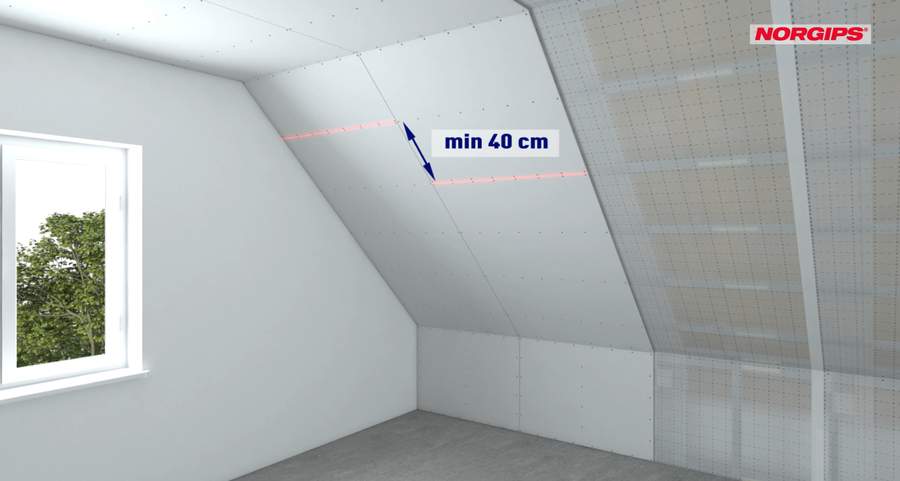
The plasterboards in the adjacent strips must be installed in such a way that the joints between the shorter edges are shifted relative to each other by min. 40 cm screws.

Installation of plasterboards – arrangement of boards
Plasterboard installation - chamfering the shorter plasterboard edges

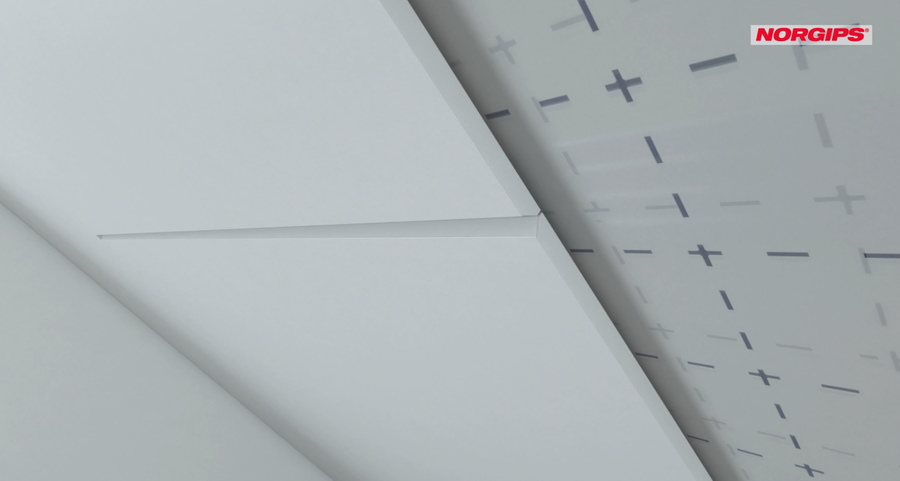
The short edges of the plasterboards touching each other must be chamfered at an angle of approx. 45º up to 2/3 of the board thickness.

Plasterboard installation - chamfering the shorter plasterboard edges
Plasterboard installation - spacing and types of sheet metal screws

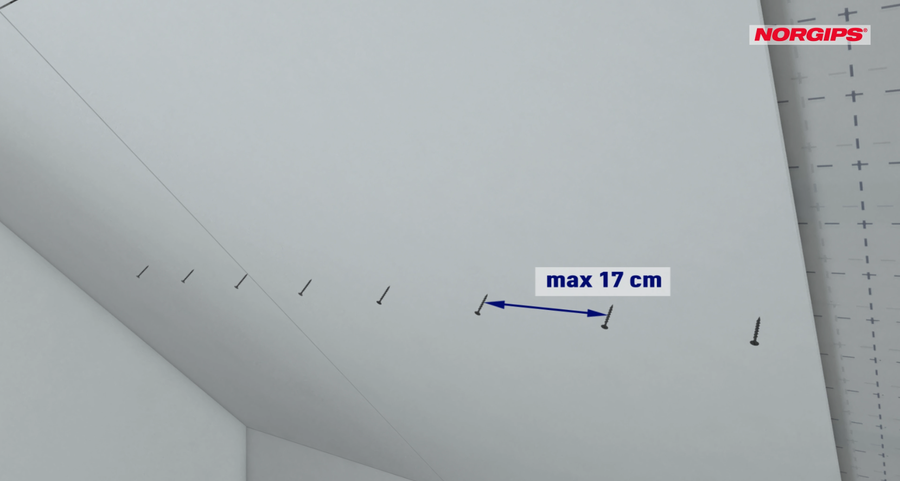
The maximum spacing of the sheet metal screws must not exceed 17 cm and they should be 10 mm longer than the total thickness of the installed plasterboards. So, to install 12.5 mm plasterboards, ɸ 3.5 mm x 25 mm sheet metal screws should be used.

Plasterboard installation - spacing and types of sheet metal screws
Fulling flattened joints of plasterboards Q1 level – applying structural joint compound

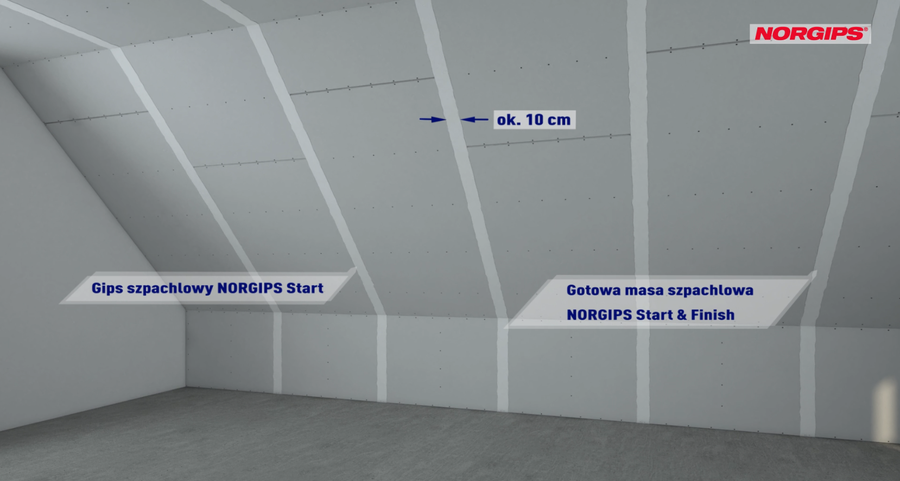
Apply the Norgips structural joint compound on the board joints on the width of approx. 10 cm After drying, apply joint compound again at the joint and the places where the boards are screwed in using sheet metal screws.

Apply a finishing layer of Norgips compound on the joints of the boards of approx. 20-25 cm wide and fill the screw holes. Once the final layer has dried, sand the excess of the compound to obtain an even and smooth surface.

Fulling flattened joints of plasterboards Q1 level – applying structural joint compound
Filling of flattened joints of plasterboards Q1 level – blending of reinforcing tape

Then blend the reinforcing tape of paper or fiberglass into it.

Filling of flattened joints of plasterboards Q1 level – blending of reinforcing tape
Filling of flattened joints of plasterboards Q1 level – applying a second layer of structural joint compound and filling places on sheet metal screws

After drying, apply joint compound again at the joint and the places where the boards are screwed in using sheet metal screws.

Filling of flattened joints of plasterboards Q1 level – applying a second layer of structural joint compound and filling places on sheet metal screws
Filling of chamfered joints of plasterboards Q1 level – priming

Wet the chamfered joints with water and then fill them with the structural Norgips joint compound.

Filling of chamfered joints of plasterboards Q1 level – priming
Filling of chamfered joints of plasterboards Q1 level – applying a second layer of structural compound and blending of reinforcing tape

Once the first layer of the compound has dried, apply the second layer of the compound to the joint and immerse a paper or glass fibre reinforcement tape in the compound.

Filling of chamfered joints of plasterboards Q1 level – applying a second layer of structural compound and blending of reinforcing tape
Filling of chamfered joints of plasterboards Q1 level – application of structural joint compound

This results in a structural joint layer defined as Q1 jointing level.

Filling of chamfered joints of plasterboards Q1 level – application of structural joint compound
Filling joints of plasterboards Q2 level – applying a finishing coat of compound to joints and filling places on sheet metal screws

The Q2 surface quality level is usually defined as a standard one because it meets the most common aesthetic requirements for plasterboard surfaces.

Filling joints of plasterboards Q2 level – applying a finishing coat of compound to joints and filling places on sheet metal screws
Filling the surface of plasterboards Q3 level – applying a thin finish layer of compound to the entire surface

In order to obtain a fully homogeneous surface apply a thin layer of a selected Norgips finish joint compound over the entire surface of the plasterboards. After drying, sand the surface to obtain even and smooth surfaces. This level of filling is referred to as Q3.

Filling the surface of plasterboards Q3 level – applying a thin finish layer of compound to the entire surface
Final effect

Using Norgips technology, we build attic cladding easily and quickly, whose smooth and aesthetic surfaces have high acoustic insulation and ensure fire safety.

Final effect
NORGIPS S GKBI 12.5 mm type H2
Impregnated plasterboard with increased resistance to humidity
Sheet metal screws on a strip 3,5 x 25 mm New
Phosphate-coated sheet metal screws for affixing plasterboards to steel profiles
Sheet metal screws 3.5 x 25 mm
Phosphate-coated sheet metal screws for affixing plasterboards to steel profiles
Sheet metal screws consumer packed 3.5 x 25 mm
Phosphate-coated sheet metal screws for affixing plasterboards to steel profiles
Wood screws 3.5 x 25 mm
Phosphate-coated screws for affixing plasterboards to wooden structures
Wood screws, consumer packed 3.5 x 25 mm
Phosphate-coated screws for affixing plasterboards to wooden structures
Fleece tape 50 mm
Fleece tape for reinforcing plasterboard joints
Paper tape 50 mm
Paper tape for reinforcing plasterboard joints
NORGIPS Finish MEGA New
Ready-mixed finishing compound for smooth pointing and skimming of indoor mineral substra…
NORGIPS Start & Finish
Ready-mixed dual-purpose filler and finishing compound for grouting plasterboard joints a…
NORGIPS Extra Finish
Ready-mixed finishing compound for grouting plasterboard joints and thin-layer levelling …
NORGIPS Start
Gypsum filler for grouting plasterboard joints
NORGIPS Finish
Gypsum filler for grouting plasterboard joints and thin-layer levelling of mineral substr…
Send a message

We believe that personal data security is a very important issue.
As a result, we provide you with information about the personal data we process. The personal data Controller is Norgips Sp. z o.o. with its registered office /02-255/ Warszawa, ul. Krakowiaków 50. Your data will be processed for the purpose of handling the inquiry you sent to us.
Find more in our Privacy Policy.

This site is protected by reCAPTCHA and the Google Privacy Policy and Terms of Service apply.

Rafał Kaczmarczyk
Deputy Technical Support Manager
Document file
Document file
close

A selection of downloads and material consumption calculations from our website can be included in the document folder.

Click

'To folder' on any document or calculation.

With the document folder you can easily prepare documentation for your investment including:

  • technical documentation of products and solutions
  • material consumption calculations
  • summary product list
  • title sheet with investment metric
Download ZIP Download ZIP
Download PDF Download PDF
Send to @ Send to @
 Clear the file
Close
up