Frame and modular building technology
Today's construction industry is increasingly moving towards the introduction of ecological solutions, based on environmentally friendly products such as wood or gypsum. System solutions using these materials often combine speed of installation, practicality and energy efficiency. Therefore, timber-frame and modular homes are a kind of answer to the growing needs of future residents, enjoying increasing interest, especially among individual investors. In this article, we will expand on this type of technology and what to look out for when choosing and building a timber frame house.
1. Frame and modular construction technology
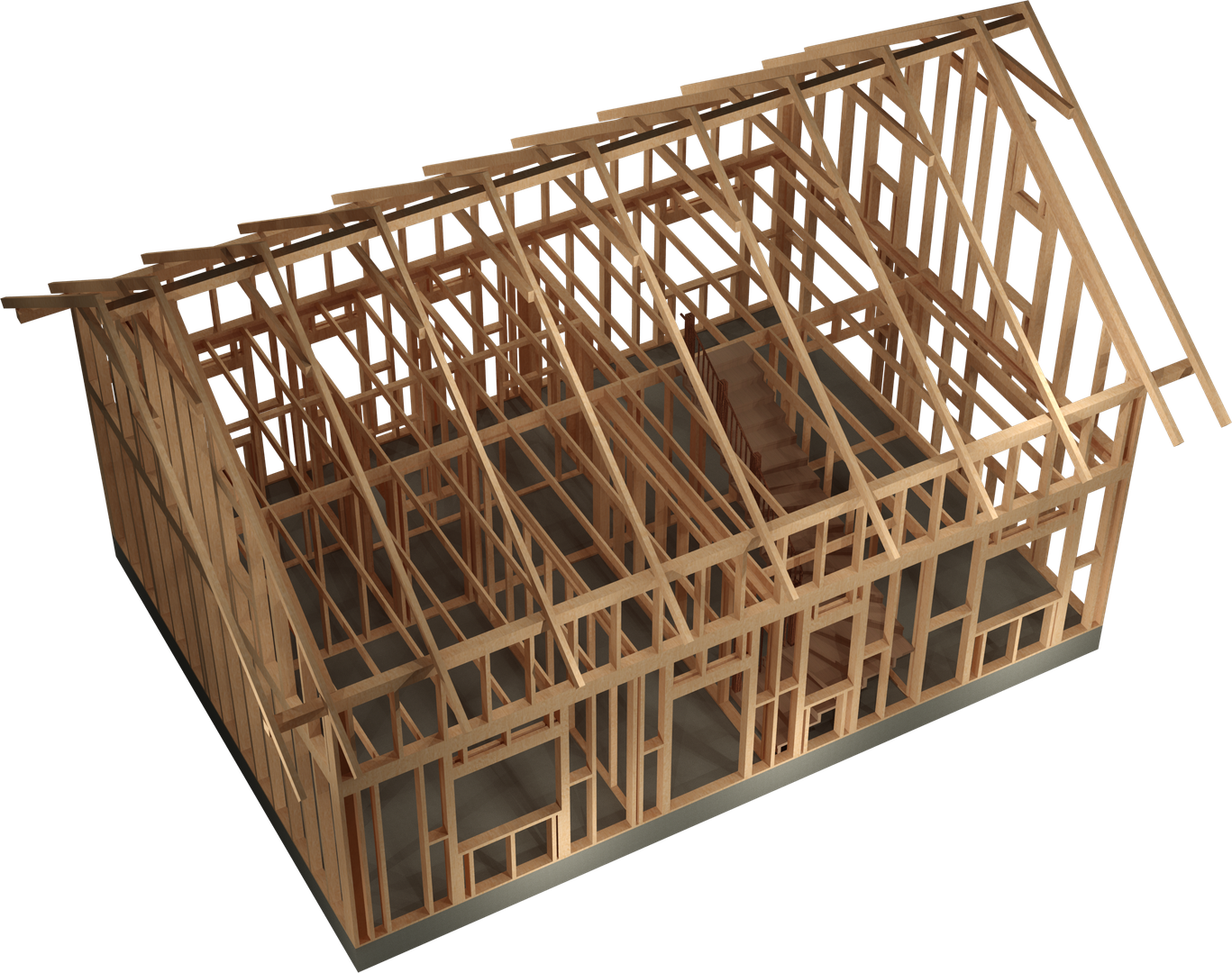
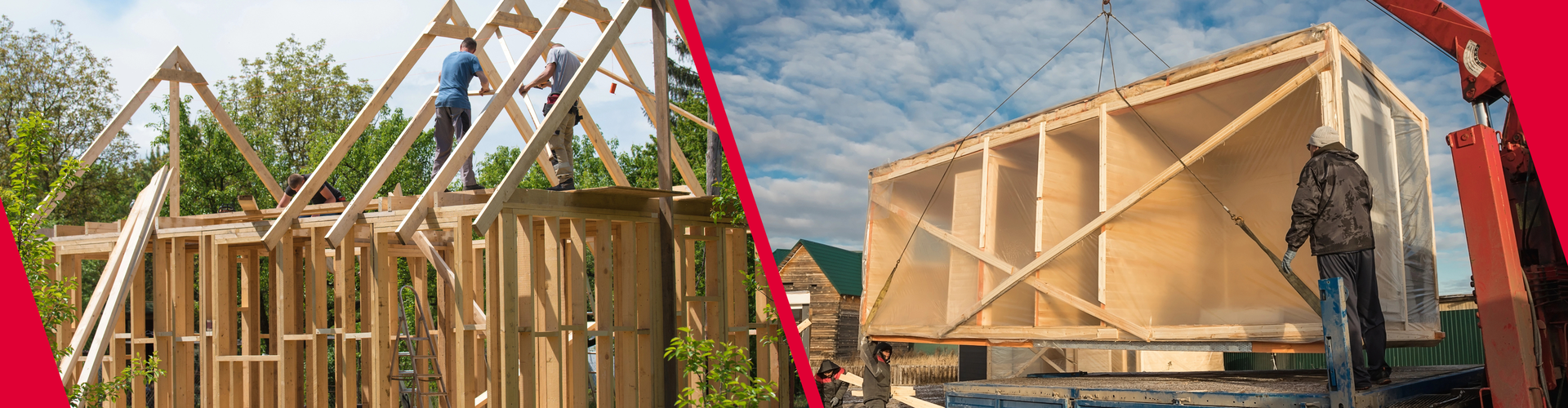
Frame construction refers to a construction method in which a wooden frame made on site is used to support the building structure. This frame forms the skeleton of the building, and other materials, such as boards, panels or bricks, are attached to it to finish or stiffen the structure. Modular timber frame construction, on the other hand, involves the use of prefabricated spatial panels or modules that are assembled off-site and then transported to the site for installation. This method allows for faster and more efficient construction, as well as increased quality control of the overall project implementation. Both timber frame and modular construction are becoming increasingly popular methods of residential and commercial construction due to their environmental, economic and flexibility in aesthetic design.
2. Timber characteristics
In frame structures, the type of timber used plays an important role in the quality and performance of the building. Different species of wood have different properties in terms of strength, durability, stability and fire resistance. The biggest advantages of using solid wood in construction are its high load-bearing capacity, its valued aesthetics and the fact that it is an all-natural product with a negative carbon footprint. In Europe, solid wood is classified according to the European standard EN 338, which categorises wood into strength classes based on properties such as density, moisture content and stiffness (see table 'Strength classes'). A popular material used in building structures is solid coniferous timber, such as fir, spruce and C24 grade pine. It is widely available and easy to work with. Structural timber can additionally be chemically treated to increase its resistance to biological corrosion, pests and the effects of fire during a fire. Where higher strength requirements are placed on timber structures (e.g. higher loads and structure spans) other timber engineering materials are used. These include finger-jointed timber, glue laminated timber (glulam) or cross laminated timber (CLT).
3. Fire safety
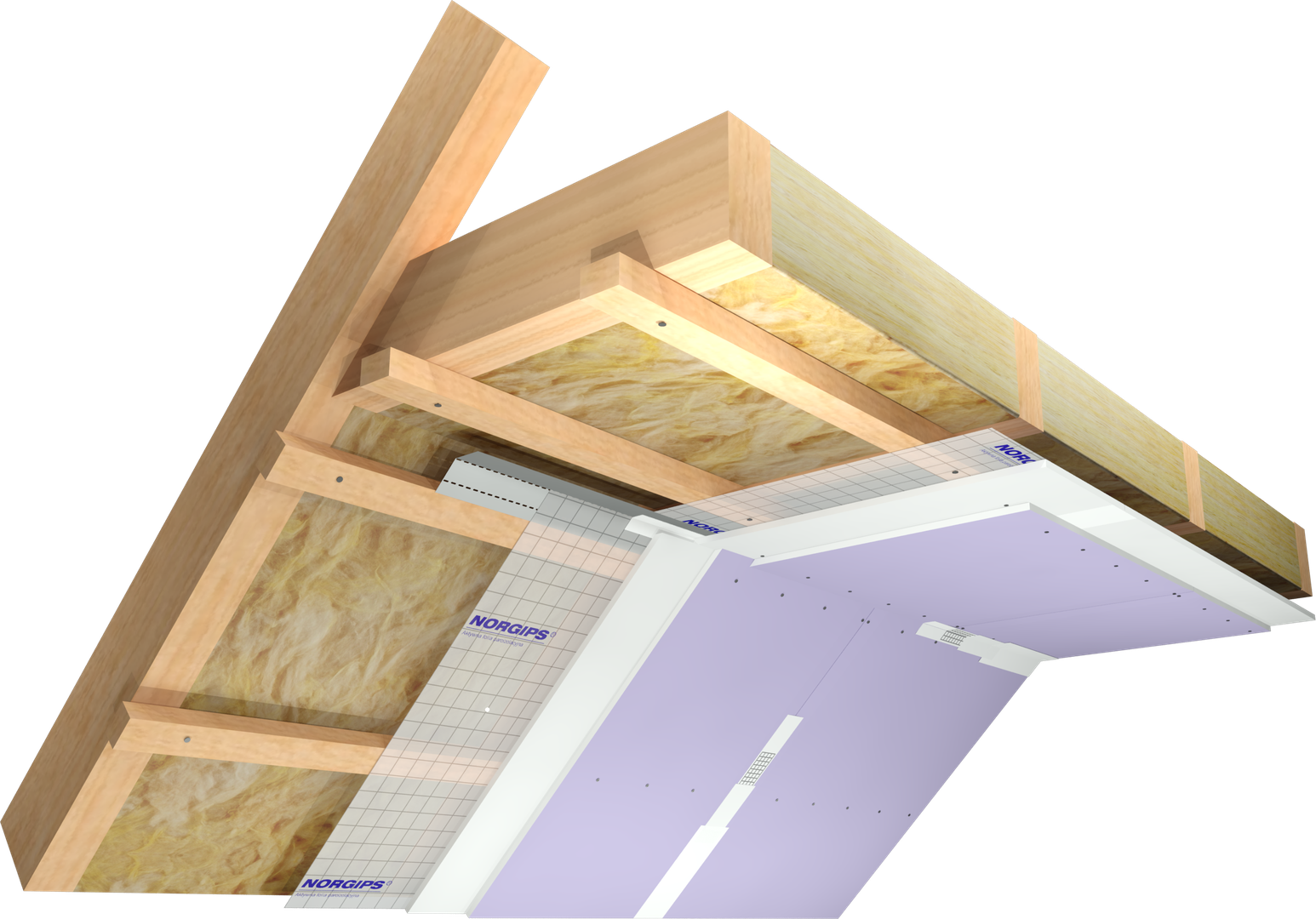
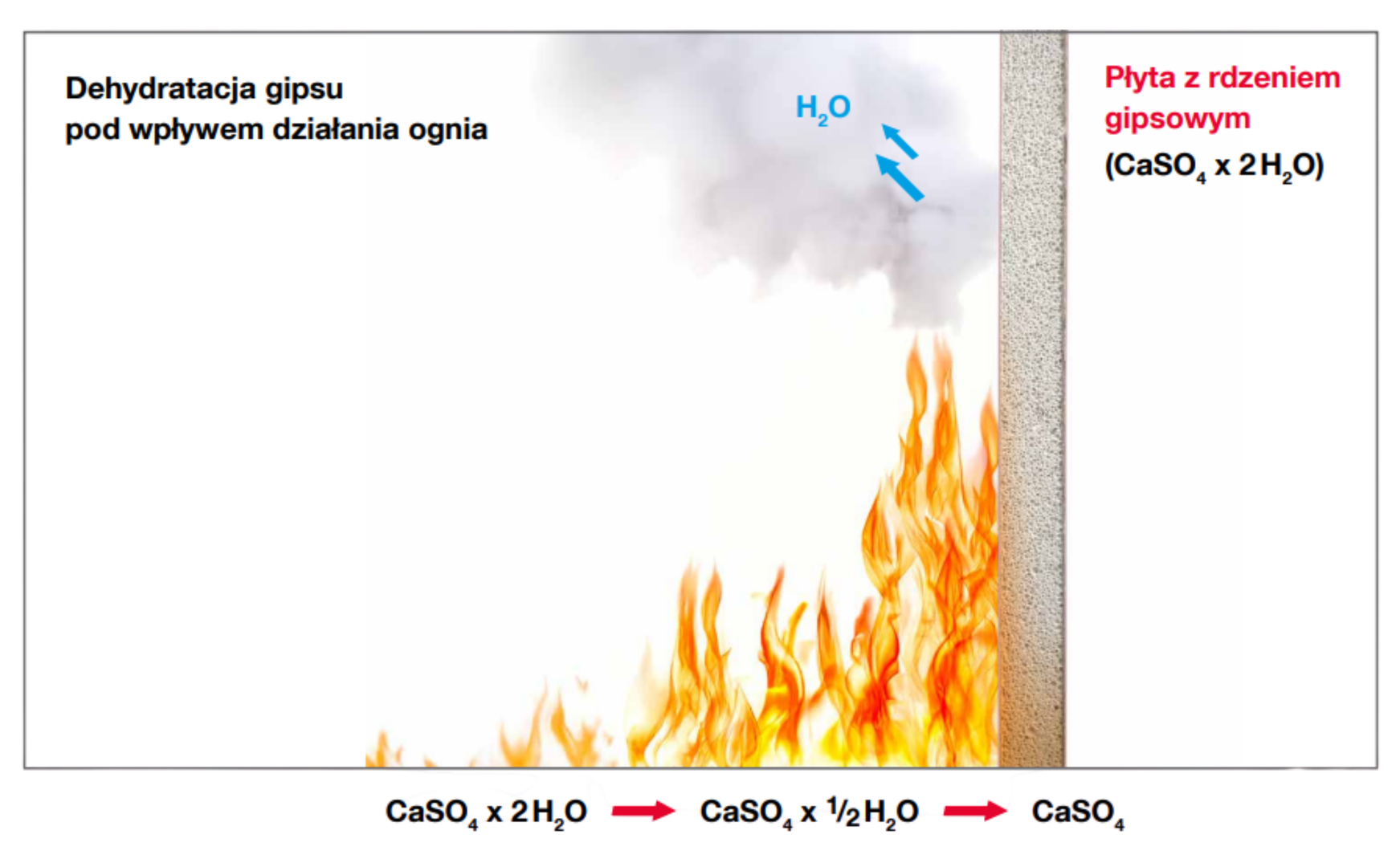
From the point of view of fire safety, very good results in the protection of the timber structure are achieved by using fireproof gypsum board developments. It is then possible to meet (depending on the type of panels used and the thickness of the sheathing) the required fire resistance classes R, E, I of the partitions and thus limit the spread of fire increasing the protection of the occupants. This result is achieved thanks to the fundamental property of gypsum. This pronounced protective capacity under fire is due to a multi-stage dehydration (calcination) reaction, during which calcium sulphate dihydrate (CaSO4 x 2H2O) transforms into calcium sulphate hemihydrate (CaSO4 x 0.5H2O) and then into anhydrite (CaSO4) under the influence of water release during heating. A significant amount of energy is required for this process. Consequently, the time for material destruction and, at the same time, the time for evacuation from the building is extended.
4. Sound insulation
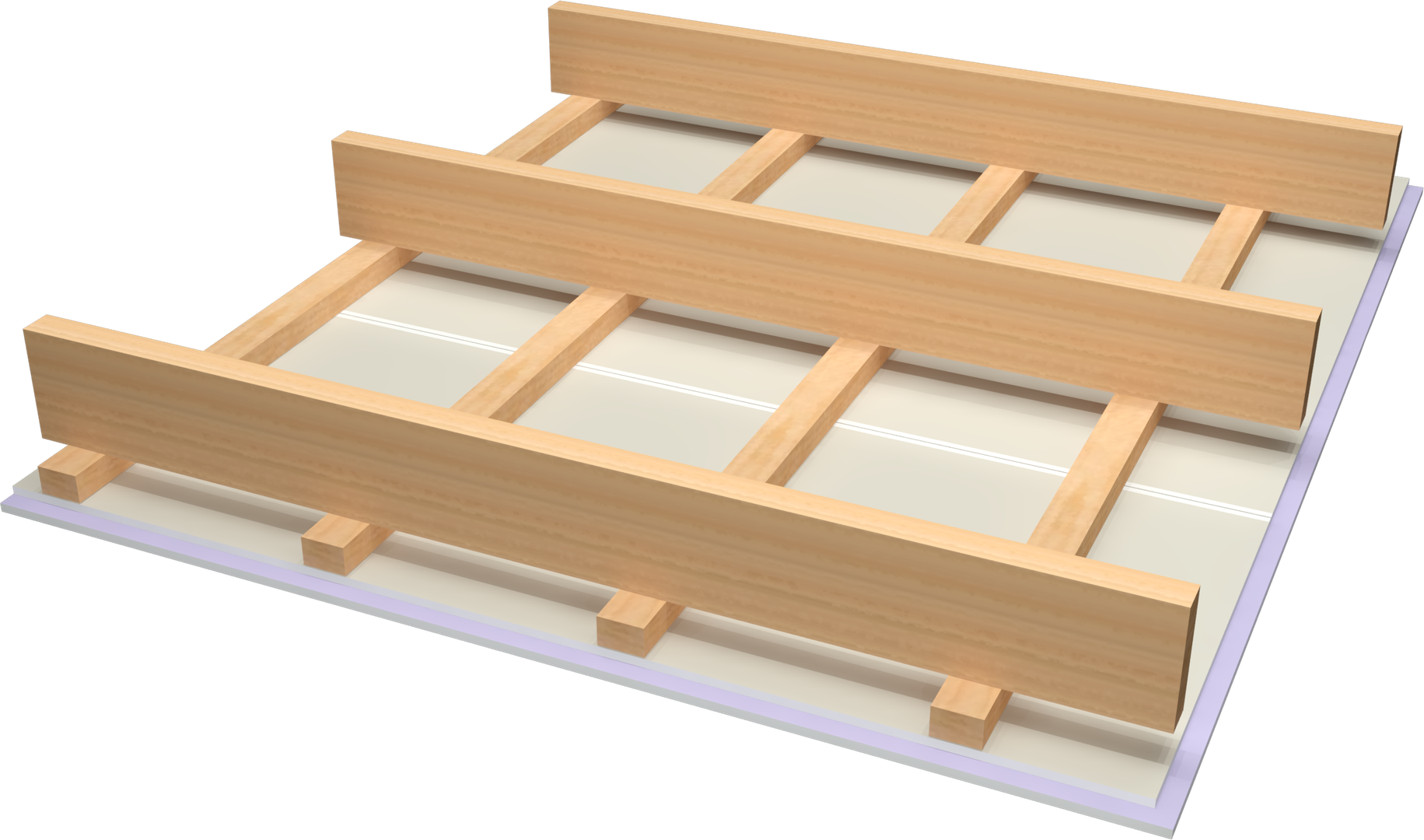
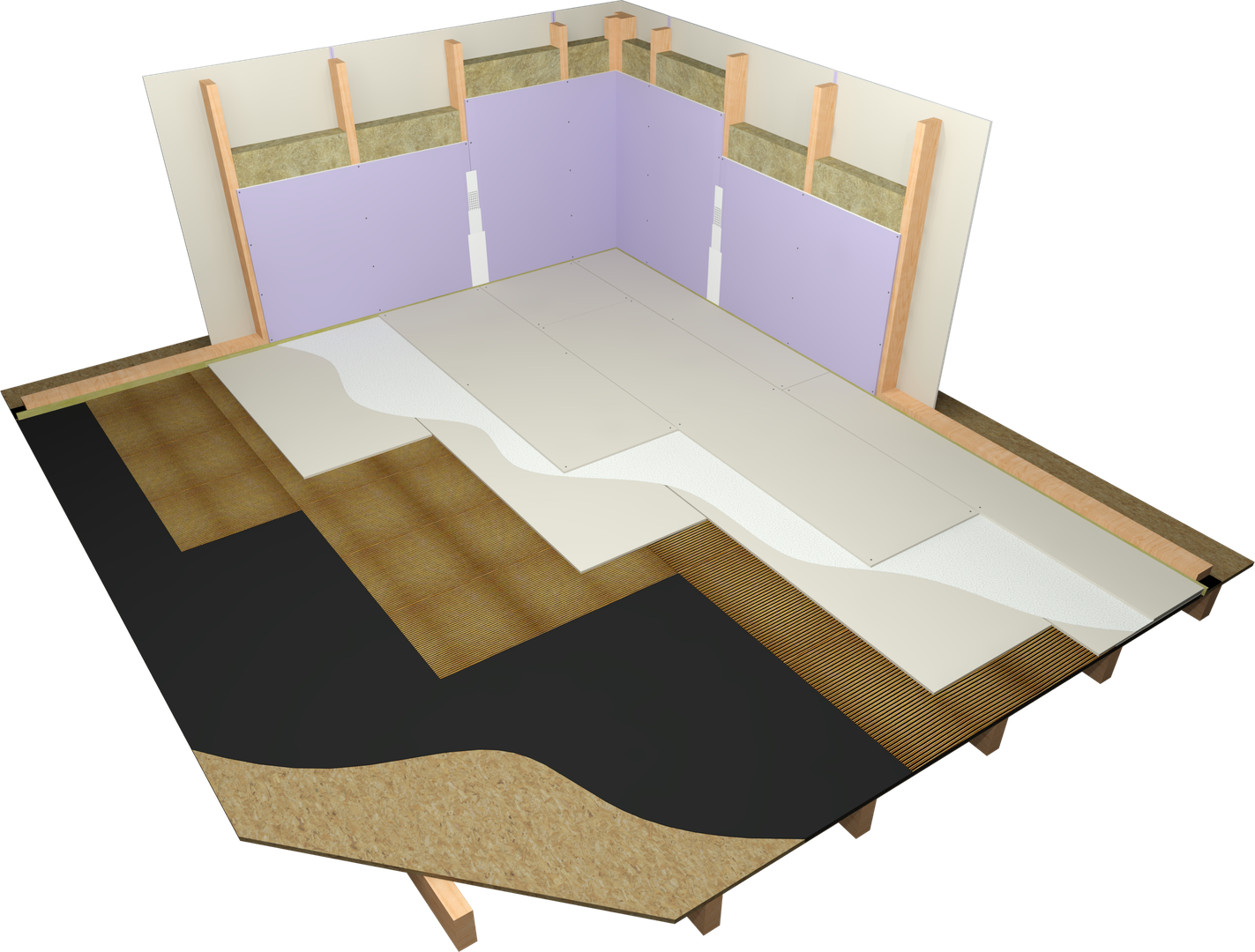
Sound insulation in timber frame structures is an important element that provides comfort and privacy for occupants by reducing noise transmission between rooms. Although timber structures offer a variety of benefits, including sustainable manufacturing and design flexibility, they can be challenging in terms of acoustic performance due to the lightness and porosity of natural wood. The main factor influencing the final sound insulation of a wall is its thickness and the axial spacing of the studs. A wider wall is associated with a greater distance between facings, allowing the use of thicker mineral wool insulation material. Larger post spacing also has a beneficial effect on improving sound insulation. The high rigidity of the partition adversely affects its sound insulation. An effective strategy for improving sound insulation in timber partitions is to use separation between the structural elements. This can be achieved by installing flexible acoustic profiles, sound insulation clips or acoustic hangers to separate the
gypsum boards from the timber structure. Ensuring that timber partitions are properly sealed and airtight, especially where service penetrations are attached, can help to reduce airborne sound transmission and improve the overall acoustic performance of the building envelope.
5. Gypsum board as a vapour permeable membrane in external wall technology
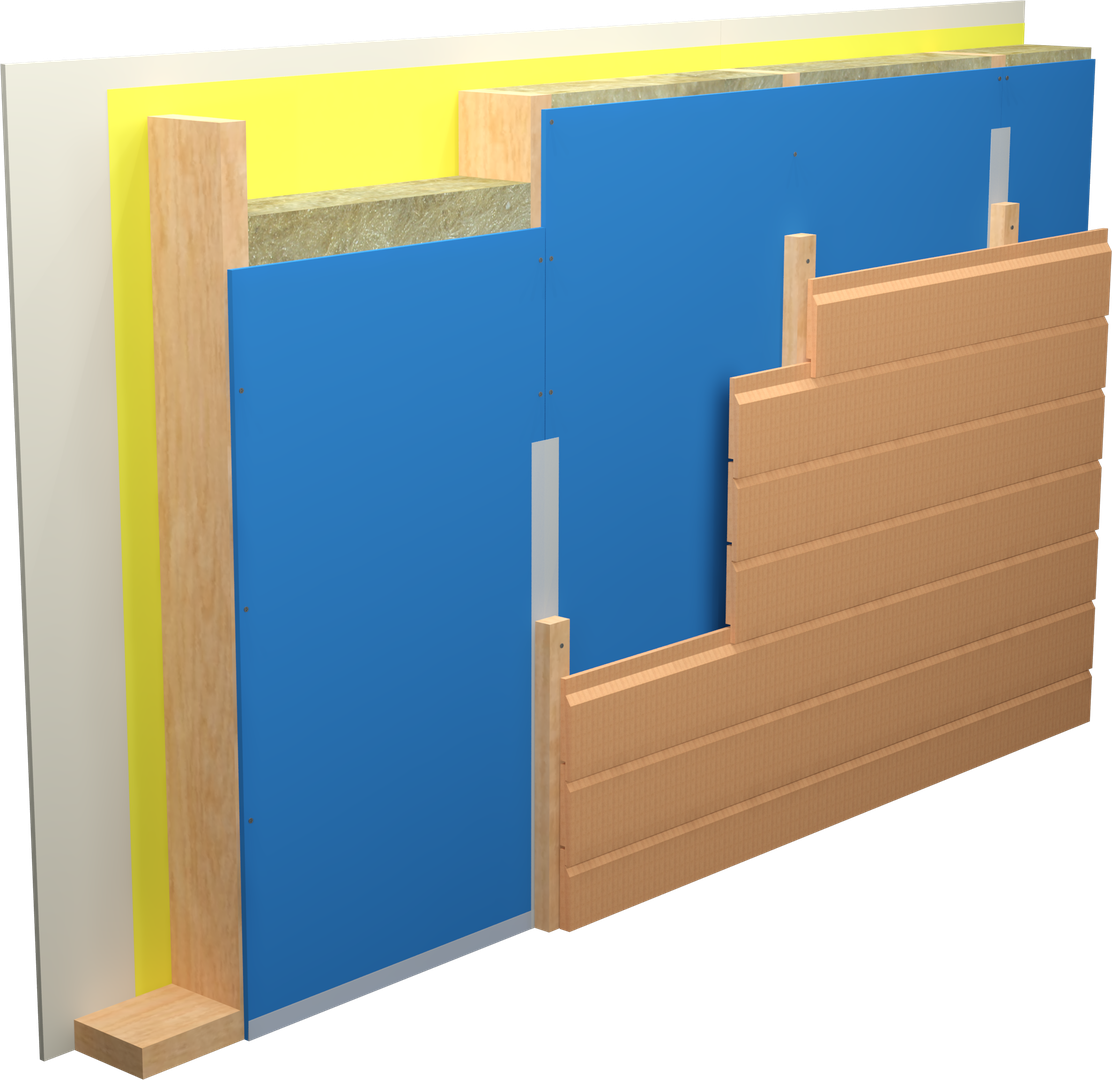
Exterior walls in the construction industry require suitable air and vapour permeable barriers to protect against moisture infiltration and to maintain energy efficiency. Gypsum and gypsum boards, i.e. Norgips Weatherboard 365, Norgips GU-X, Norgips GU, meet the conditions for vapour-permeable membranes due to their low diffusion resistance coefficient (μ = 10, Sd=0.095 m). These panels provide proven protection of the structure against wind, dust and moisture penetration, while being able to transmit water vapour. They can therefore be used as a wind barrier in external wall constructions. This is a common practice (in combination with a ventilated façade) found in Scandinavian countries.